Wholesale marketing includes a variety of different channels in which the producer sells their product to an intermediary who then sells it (or serves it in the case of institutions) to the final consumer. Below are some of the different channels you might consider selling through.
Grocery Stores:
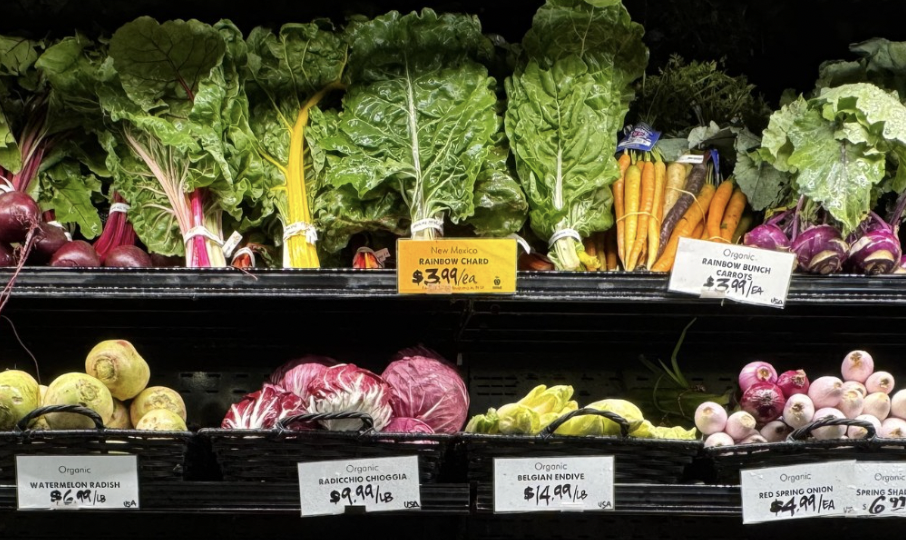
Grocery stores are where the vast majority of people get most of their food, so it’s a great channel to explore, especially if you have an independently owned grocer in your area. Some chain grocery stores like Whole Foods will buy some local product, but for the most part, getting into the corporate supply chain can be very difficult.
Sales to Institutions — New Mexico Grown:
New Mexico Grown is a program that connects farmers with state-funded buyers such as schools, senior centers, food banks, etc. While there may be other ways to sell to institutions in your area, this is likely the most efficient path to that. You will need to be willing to undergo food safety training and be able to meet the volume demands of larger buyers, and you will be getting wholesale prices rather than direct-market prices.
The Approved Supplier Program is an NM based program that helps producers of all sizes sell their products to schools, senior centers and other institutions (including the NM Grown Program). It is free to join, but does require producers to go through their food safety trainings. Technical assistance is available to help producers through the process of become an Approved Supplier and marketing their products to institutions.
Working with Food Hubs & Aggregators:
Working with Food Hubs & Aggregators: these are entities that can play a vital role in the food system by bringing together products from numerous local producers to sell to individual or wholesale customers (often grocery stores). While there is a cost to having a “middle man,” often the labor it saves can be worth it for producers. Food Hubs and aggregators are often entities who have strong mission to promote local food and protect the interests of farmers, rather than just trying to put a mark up on the food you worked so hard to grow.
Some New Mexico-based Food Hubs & Aggregators include:
- La Semilla Food Center: La Semilla Food Center is a 501(c)3 nonprofit organization based in Anthony, NM whose “Farm Fresh” program aggregates food from a variety of farms in southern NM. Find out how to become a partner farmer here.
- Frontier Food Hub: Frontier Food Hub located in Silver City, NM offers a fresh box program and additional products to customers seeking to support local farmers. They also facilitate the sale of local products to food pantries
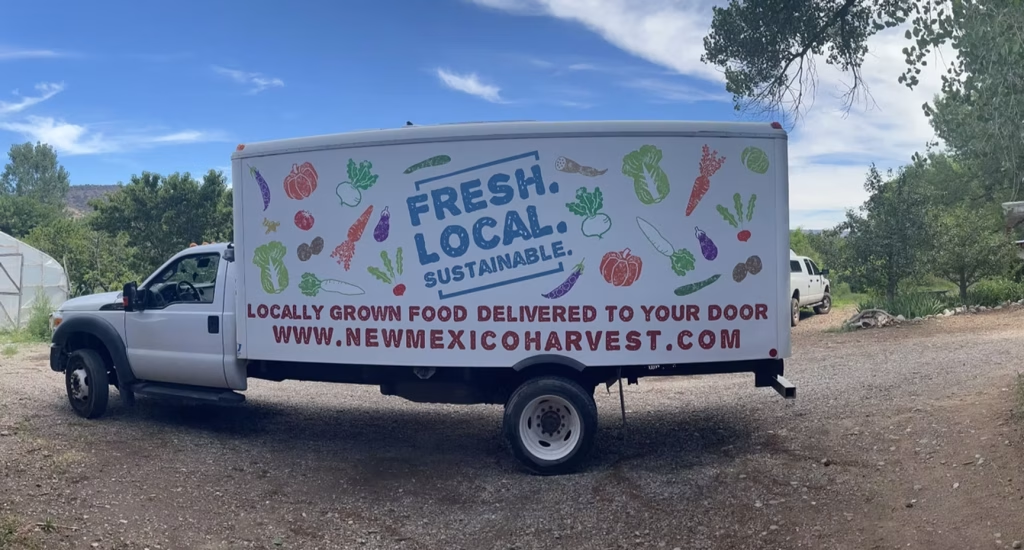
- New Mexico Harvest works with small and medium sized family farms around New Mexico to grow their sales through its CSA as well as institutions, restaurants and other outlets. You must have Tier 1 & 2 food Safety Certification through the NMFMA to sell with them, but they can provide technical assistance with both food safety and crop production planning.
- Harvest Food Hub: The Harvest Food Hub is an aggregator and online marketplace of locally grown and produced food. They make it possible for farmers to work together to meet the growing demand for local, sustainable food in San Juan County. Farmers benefit from the marketing, selling, and delivering of their produce and prepared foods.
- La Montanita Distribution Center: La Montanita Distribution Center is an aggregator that collects products from across the state and neighboring region to sell at their grocery stores and to other wholesale customers.
- Skarsgard Farms is a local aggregator based in Albuquerque that sells both fresh and processed products from NM and regional producers.
Sales to Restaurants:
More and more restaurants are touting local ingredients as a selling point for their food and many chefs recognize that locally produced products are often the freshest and highest quality. Selling to high end restaurants can be time consuming, as they often require delivery without high quantities, but establishing a solid relationship with a chef or restaurant can be a long-term benefit to a farm/ranch, especially if the chef is able/excited to adjust their menu to your seasonal offerings.
- This is a 10-page guide to selling to restaurants.
- Squash Blossom: Squash Blossom is a Santa Fe-based wholesaler that sells a subscription to individual customers and sells wholesale to restaurant buyers. The link is to apply to sell to them.
Leave a Reply