Food safety is an increasingly important consideration for farmers, especially those considering wholesale markets like grocery stores, restaurants, schools, etc. It’s a topic that can feel quite overwhelming, but don’t worry, there are lots of resources and hands-on support to help you understand the regulations and make sure your farm can supply safe food to your customers.
For farmers’ that are only selling fresh produce, and only direct to the customer, generally no formal food safety training is required. However, it is still recommended that you understand the basic principles of food safety. Many farmers also say that the systems they put into place to comply with food safety rules have actually increased farm efficiency and profitability.
Here’s the NMFMA page that has an overview of permits and regulations with respect to food safety. https://www.newmexicofma.org/food_processing_permits.php
Food Safety Modernization Act (FSMA)
The Food Safety Modernization Act was enacted in 2011 and gives the Food and Drug Administration (FDA) the ability to make rules about food safety on the farm and in packing facilities.
This is a flow chart that helps you figure out if your farm has to follow the regulations put forward in the Food Safety Modernization Act (FSMA): https://www.fda.gov/media/94332/download
Food Safety Training
To help farmers understand food safety and figure out how to implement best practices on their farms, the NMFMA offers FREE trainings for producers, both online and in person. Dates and registration for these food safety trainings as well as more information about food safety can be found on our website: https://www.newmexicofma.org/food_safety_training.php
La Semilla Food Center (located in southern NM) also hosts a food safety training program for farmers at all levels of production: https://lasemillafoodcenter.org/food-safety-trainings/
This is a lengthy but easy to understand guidebook on food safety created by the National Young Farmers Union.
Regulations for Animal Products
Animal products (meat, dairy and eggs) are subject to more regulation than fresh produce, so it’s important to know what the requirements are.
Eggs
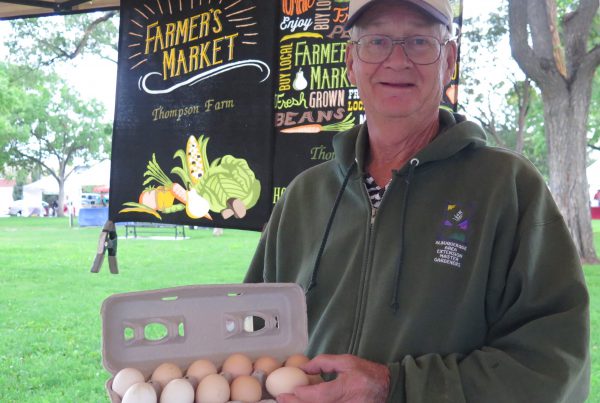
Anyone who plans to sell eggs, even ungraded eggs, direct to the consumer, must register with the NM Department of Agriculture. Those that are selling graded eggs or wholesale eggs, must get a license, but the fee for doing so is minimal (<$50). If you have over 3,000 laying hens, you must follow additional regulations as set forth by the FDA.
Registration for Egg Producers: https://nmdeptag.nmsu.edu/licensing-and-registrations/egg-licensing.html#gsc.tab=0
FDA rule for producers with 3,000 or more laying hens: https://www.fda.gov/media/86276/download
Here are some best practices for food safety for small-scale egg producers: https://animalscience.cahnr.uconn.edu/wp-content/uploads/sites/3396/2022/06/poultry-extension_2_2727663716.pdf
Dairy
Anyone planning to sell milk or dairy products must obtain a permit from the NM Department of Agriculture. https://nmdeptag.nmsu.edu/aps/dairy-facility-permit.html#gsc.tab=0
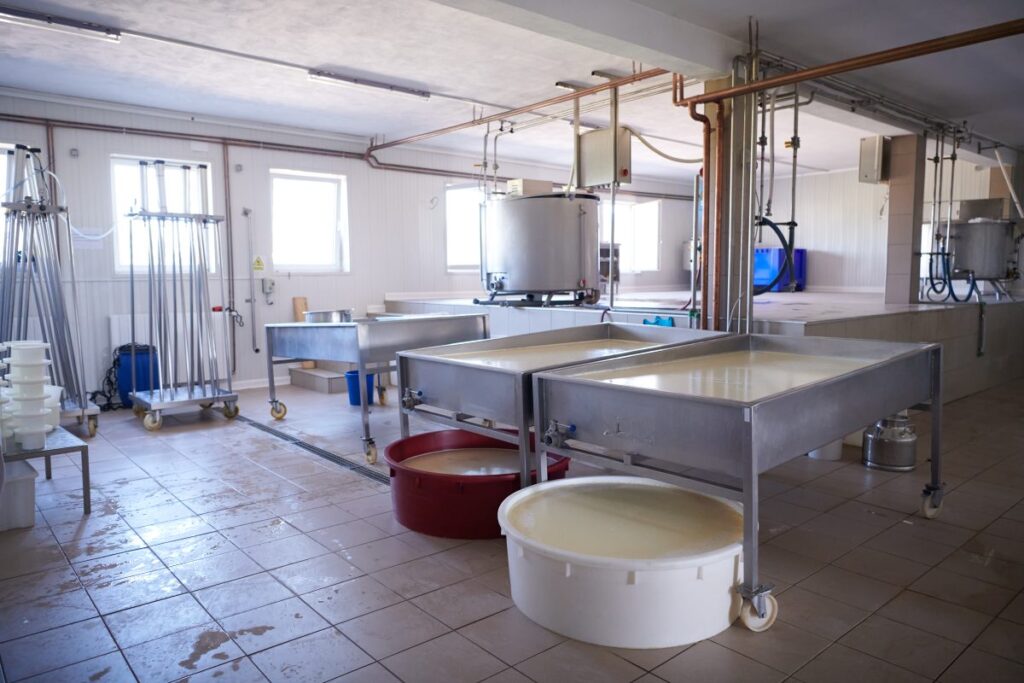
(The above is a photo of Camino De Paz’s creamery in Santa Cruz, NM where their milk is transformed into a variety of artisanal products, including several types of cheese and yogurts. In 2024, Camino de Paz was awarded a $63,000 grant by Pacific Coast Coalition Dairy Business Initiative to expand its cheesemaking skills and facilities.)
Meat
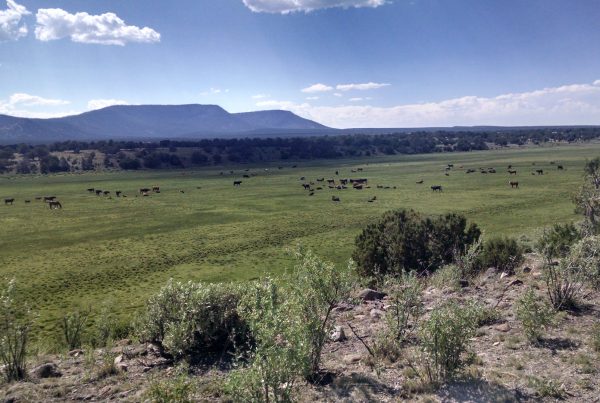
All meat must be processed at either a state or federally inspected processing facility. The only exception is if they sell the live animal to the customer and then deliver to the processing plant.
This is a good overview of meat processing protocols in New Mexico: https://pubs.nmsu.edu/_b/B234/index.html
The SW Grassfed Livestock Alliance has lots of great info on marketing and processing meat: https://grassfedlivestock.org/swgla-helpful-links/
Processed Foods
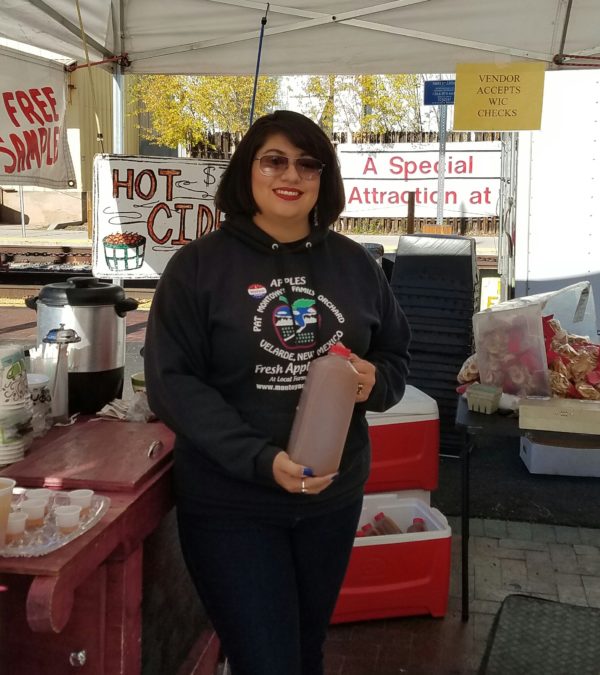
If you are interested in using some of your farm product to make a processed food (basically anything that isn’t fresh produce), there are two general categories your product might fall into. If you’re making a “non-potentially hazardous food” (like baked goods, high sugar jams and jellies, and dried fruits) and sell this product directly to the consumer, you may be able to make it in your home kitchen. Otherwise, you will need to use a commercial kitchen to produce your product.
Home Producers
This is a fact sheet that tells you which foods are eligible for Homemade Food Act, and helps you understand the process for getting a permit to make and sell your product: https://www.newmexicofma.org/docs/FINAL_-_2024-Homemade-Food-Act.pdf
Commercial Kitchens
If you are making a product that requires a commercial kitchen, you may want to build your own, but there are also a number of community-based commercial kitchens that you can rent space to make your product. Here is our list of commercial kitchens available to rent: https://www.newmexicofma.org/find_a_community_kitchen.php
This is the application for a permit for a food processing plant, in case you want to build your own commercial kitchen: https://www.env.nm.gov/foodprogram/wp-content/uploads/sites/9/2018/05/Food-Application_04112016-Final-Rev-02.1.pdf
Here’s a 20 minute video describing how you can turn a barn or shed into a commercial kitchen:
The NMSU Food Tech Program has some solid publications that can guide you through the process of getting your food production permitted: https://foodtech.nmsu.edu/resources/publications.html
Leave a Reply