Because farming is such an unpredictable venture, subject to lots of outside forces (weather, input price fluctuations, disease, pests, etc.), diversification is a useful strategy for protecting against risk, creating resiliency, and increasing income potential. Diversification can refer to both the products grown/processed/raised and the markets used to sell these products. Below is some discussion of many (but certainly not all) of the ways a small or mid-sized farm can diversify.
Examples of diversified products:
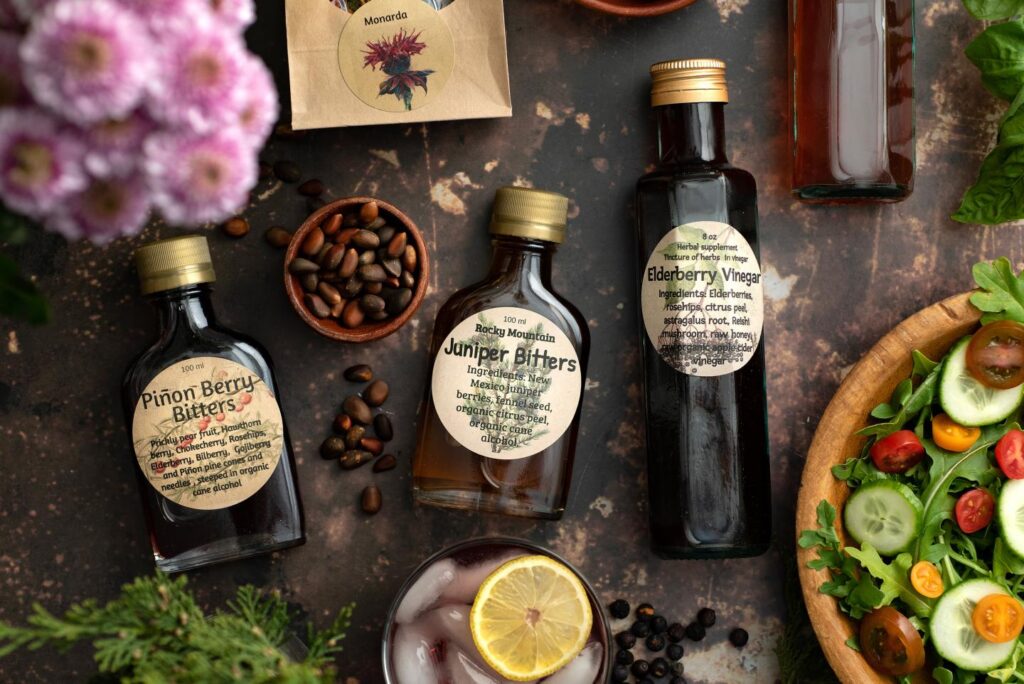
Value-added foods can be a way to transform excess or less than perfect produce into a valuable product. Examples include jams, dried spice mixes, teas, salsas, prepared foods, baked goods, frozen chiles, etc. The benefits of these products include: drawing tourists to your market booth, branding opportunities, year-round sales, higher percentage return. The challenges include: regulations (see our section on regulations for processed foods), knowledge, labor intensity, upfront investment in equipment or materials (see our Loans and Grants for funding opportunities, including the Value-Added Producer Grant).
- This is a brief resource that helps you consider whether value-added foods makes sense for your business.
- This is a great article addressing all the legal issues associated with value-added production.
Non-food items such as soaps, lotions, sage bundles, plant crafts and tinctures. The benefit of going for non-food items is that they generally have less regulation than food items.
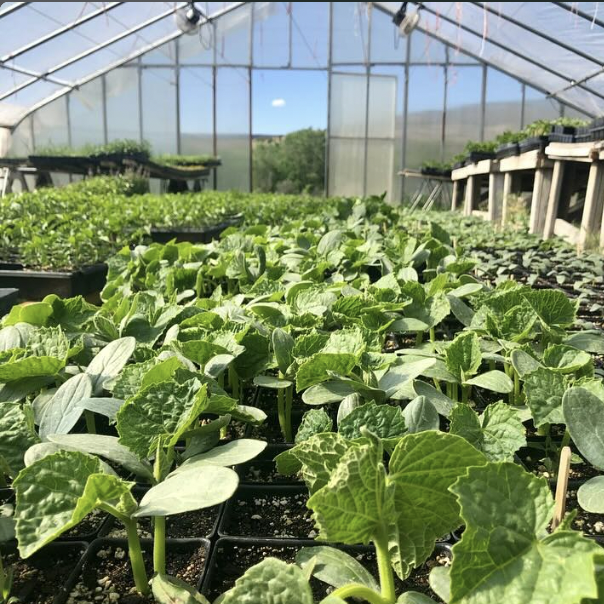
Nursery Products, Plant starts, Flowers: these can be a great addition, especially to boost early season sales.
Ecological services can be a source of income such as carbon credits or conservation leases.
Agritourism is a growing industry as more and more people are interested in food and where it comes from. Agritourism encompasses many different potential activities from a farm stand to a bed and breakfast to pick your own to hosting workshops or events at the farm. Many of these activities will take a fair bit of investment and some will be quite labor intensive, so it’s important to plan well. Agritourism can also significantly increase your insurance costs, so you’ll want to check in with your insurance provider as you’re planning. Also, it is important to recognize that many farmers don’t like interacting all that much with the public, so consider your personal preferences and resources when thinking about engaging in agritourism.
Diversified Markets:
While some producers may only have time or product to sell through one channel (i.e. farmers’ markets), it can be useful to explore other potentially profitable channels especially if you are looking to expand your operation or if there are a few crops your farm grows more abundantly than you’re able to sell in your current market. See the section on Marketing for more information on options such as restaurants, institutions, aggregators, etc.
Leave a Reply