
Within a business plan, you may need to establish various “farm enterprises.” A farm enterprise can be either a specific crop or a marketing stream. So for example, you might think about your wholesale vegetable sales to restaurants as a different farm enterprise from the vegetables you sell at market. They’ll have different profitability structures, packing needs, timeframes, etc. ividing your business this way can help you understand which parts of what you’re doing are working and which aren’t, both in terms of profitability and fitting into your overall business mission. Over the lifespan of your farm, the collection of farm enterprises can change without the overall vision/mission of your farm changing.
When deciding what to grow or raise, some things you’ll need to think about are market demand, considering profitability, assessing your land and climate, diversification, recognizing your strengths and those of your location, seeking advice, listening to, observing, and asking questions from other farm stories/experiences, experimenting, keeping good records, and keeping in mind your ultimate goals (business plan)
Choose crops suited to your region:
Farming is time consuming. Choosing crops suited to your region will help save you time, effort, and disapppointment in the long run. Think about your location’s weather conditions, water availability, soil type and fertility, existing weed pressure, potential pest and disease pressure
Getting a soil test can be a great step in determining both what will grow well on your land, and what kinds of amendments you’ll need to make the soil as healthy and productive as possible.
- The Natural Resources Conservation Service of the USDA can help with soil tests. Find your local office here.
- This is a useful resource for interpreting soil tests. https://pubs.nmsu.edu/_circulars/CR676/index.html
- This is a list of labs that will test soil. Note, none of them are in NM, so you’ll have to send your soil to them via mail. https://aes.nmsu.edu/resources/soil.html
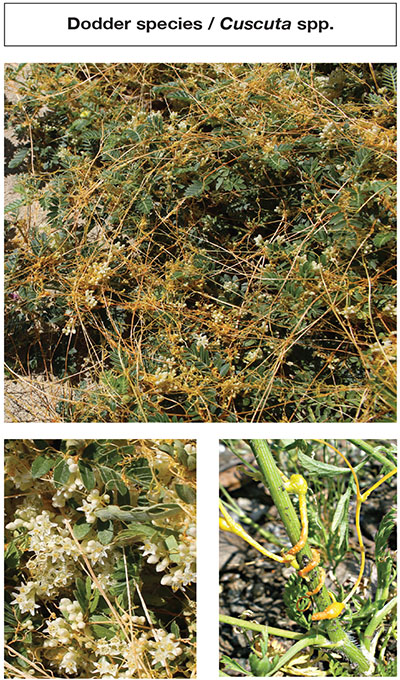
It’s important to be aware of the weeds that may affect your crop growth:
- This is an NMSU list of troublesome weeds of New Mexico that also tells you what strategies may work for controlling them.
- NMWeeds.org is a website dedicated to controlling weeds on farms and other land.
Choose crops/livestock suited to your markets:
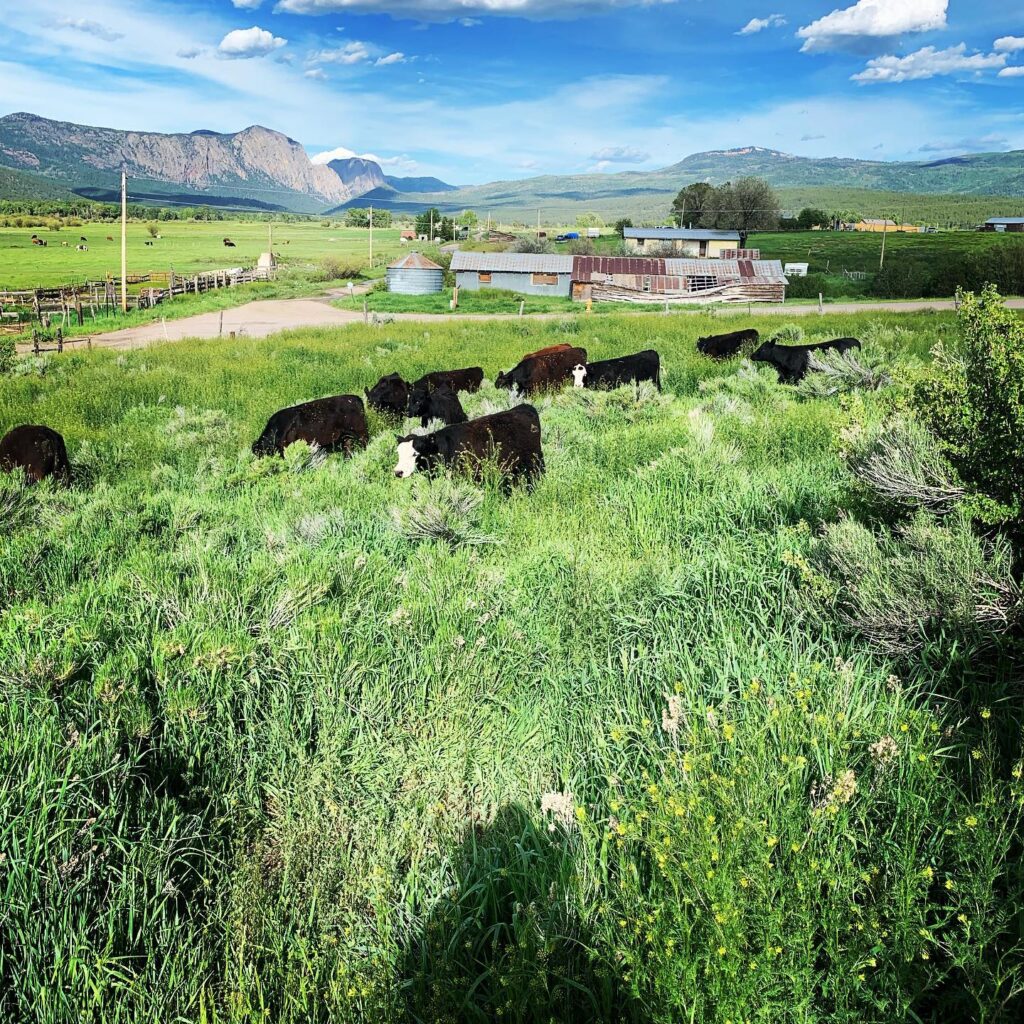
A market for what you will produce are important considerations when planning your farm enterprise. Who is your target customer? Is there demand for what you’re planning on producing? Will your product be profitable (cost of production vs. selling price)? Do you have transportation for getting your product to consumers and what is the cost? How will you market your products? Do you need licensing for your operation? Do you know the necessary federal, state, and local food safety regulations?
- NMSU has a great overview of marketing opportunities for livestock in NM, and helps you think about which market(s) are right for you and your operation.
- The Community Alliance of Family Farmers has a concise and useful resource that helps you understand five key marketing channels: farmers’ markets, CSAs, direct to retail, farm to school, and wholesale sales.
You can find more resources about choosing crops/livestock suited to your markets in Section IV: Marketing.
Choose an enterprise suitable to your skills/labor availability:
While the area you’re in might be perfect for raising cows, if you only have experience growing vegetables, you may need to consider your capacity to take on a farm enterprise that’s totally new to you. Similarly you need to consider the availability of labor. If you’re looking to grow a very labor intensive crop, you’ll want to think about how much time you have to do that, and if it’s not enough, are their people in your area that you can bring on to help (and do you want to manage other people).
If you are venturing into an unknown crop or marketing stream, check out our section on training to see where you might get some help figuring out your new enterprise.
Understanding enterprise budgets and profitability:
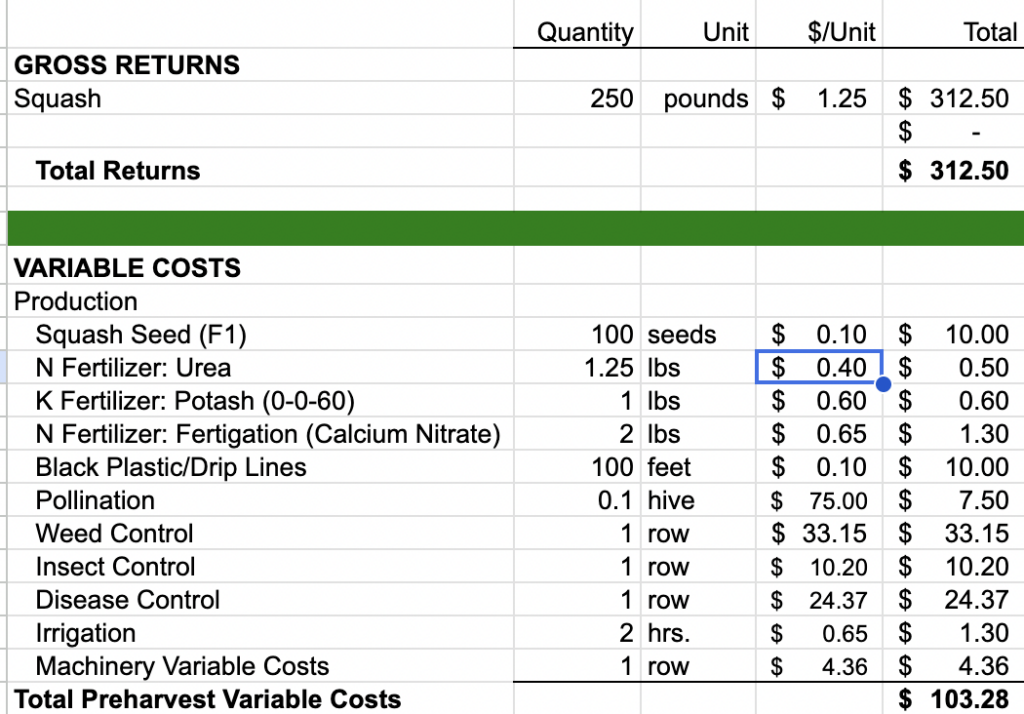
An enterprise budget is a method of estimating all revenue and expenses associated with a given farm enterprise prior to beginning production. It’s like a mini feasibility study, providing a rough estimate of the profit potential of an enterprise. An enterprise budget for basil, for example, should reveal whether there is any potential to make money growing and selling basil. Below are some links that help you build farm enterprise budgets. But you really don’t have to use a fancy spreadsheet. You can sit down with a pen and paper and figure out basically:
- How much does it cost to plant a row of cucumbers? Think about costs like seeds, compost, and labor (planting, weeding, watering and harvesting). (A)
- How many pounds of cucumbers do you get from a row? (B)
- How much do you charge per pound of cucumber? (C)
Then, you’ll want to compare the cost of growing a row of cucumbers to the potential income from it (B x C – A = income per row). That will give you a back of the napkin estimate that you can compare against other products you might be growing and that can help you decide which products are most profitable. Of course, there are other considerations like what you like to grow and what sells well in your market, but having the numbers can be helpful.
Resources for Enterprise Budgeting:
- This is a great down-to-earth overview of why you would do an enterprise budget, and gives some resources to help create one.
- This page has a link to download an excel sheet with a template for enterprise budgets for individual crops at the small scale (less than an acre) or at a large scale (by the acre). These are editable so you can adjust to the prices and costs in your area.
- This is a NM specific resource that helps you estimate the cost and return on raising livestock in your region of the state.
Leave a Reply