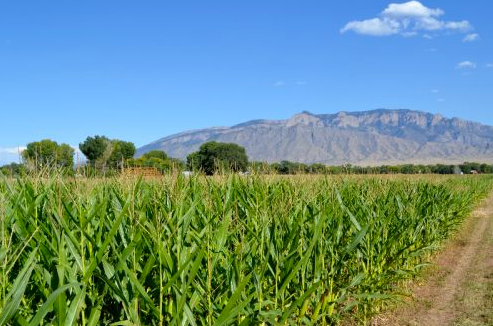
Out here just outside Hatch, you get used to the rhythm of things—the early mornings, the long days, and the smell of roasting chile hanging in the air when harvest season rolls around. This land has been in my family for three generations, and today, I’m the one responsible for keeping it going.
That’s something I don’t take lightly.
My grandfather started this farm with very little—just determination and a belief that this land could provide. My parents built on that foundation. They grew the operation, formed relationships in the community, and established a reputation for quality green chile. By the time it came to me, I wasn’t just inheriting land—I was inheriting everything they had worked for.
Stepping into that role was both an honor and a challenge. Farming is one thing. Running a farm as a business is another.
Growing up, I learned by watching and doing. A lot of decisions were based on experience and instinct. That works well in a family setting, but as we grew and brought on more workers, I realized we needed more structure. That’s when I started focusing on standard operating procedures—SOPs.
At first, I’ll admit, it felt strange to formalize things that had always just been understood. But I saw what was happening without that structure. Different crews harvesting in slightly different ways. Inconsistent sorting. Small variations that added up and affected the final product.
In the chile business, consistency matters. People expect that same flavor, that same quality, every time.
So I started documenting everything. I walked the fields with my parents and talked through each step—when we irrigate, how we harvest, how we handle and pack the chile. I turned those conversations into simple, practical checklists. Nothing complicated—just clear steps that anyone on the team could follow.
The biggest key was making sure those systems worked in real life. Farming doesn’t slow down for paperwork. Especially during harvest, everything moves fast. The processes had to be easy to understand and easy to use.
I also made sure our crew leaders were trained first. Once they understood not just the “how” but the “why,” they helped carry that consistency across the whole team.
There was some resistance at the beginning. That’s to be expected. Agriculture here in New Mexico is deeply rooted in tradition, and people take pride in how they do things. I wasn’t trying to change that. I was trying to protect it.
I explained that these systems weren’t about replacing experience—they were about making sure our reputation stayed strong. When someone buys our green chile at a farmers market or roadside stand, it should meet the same standard every time. That’s what keeps people coming back.
Once the team saw that the changes actually made their jobs easier and reduced mistakes, things started to click.
Another area that really challenged me was insurance. It’s one of those things you don’t fully understand until you have to.
There are so many layers—crop insurance, liability, workers’ compensation, equipment coverage, and even policies tied to selling directly to customers. Every policy comes with its own terms, and it’s easy to think you’re covered when you’re not.
When I took a closer look at our operation, I realized we had gaps. We had expanded into farmers markets and roadside sales, but our coverage hadn’t fully caught up with that shift. At the same time, we were paying for things we didn’t necessarily need.
That was a wake-up call.
I started asking questions—lots of them. I talked to insurance agents, but more importantly, I talked to other farmers who had been through the same process. One of the most valuable resources I found was the New Mexico Farmers’ Marketing Association.
Through their workshops and programs, I learned how to better understand what coverage actually means—not just what it costs. They helped me figure out what questions to ask and what to look for in a policy.
They also connected me with other growers who were willing to share their experiences. That kind of insight is hard to find anywhere else, and it saved me from making some costly mistakes.
Community plays a big role in what we do out here. Farming can feel independent, but the truth is, none of us do this alone.
Through the New Mexico Farmers’ Marketing Association, I’ve been able to access training on food safety, marketing, and certifications. But just as important are the relationships. If I run into an issue with irrigation, pests, or even equipment, there’s always someone I can call who understands exactly what I’m dealing with.
That kind of support makes a difference.
Over time, we’ve built a strong reputation for our green chile, and I believe that comes down to two things: consistency and connection.
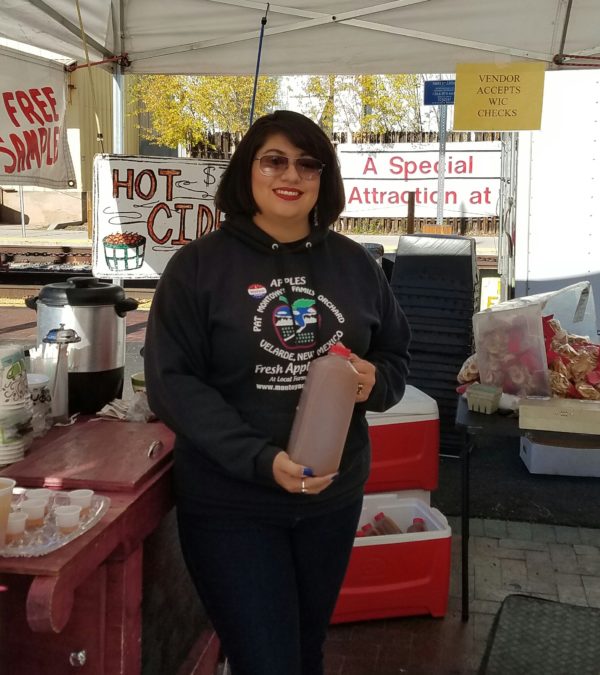
The systems we put in place help ensure that every batch meets our standards. But beyond that, we’ve made an effort to connect with the people who buy from us. At farmers markets, customers want to know where their food comes from. They ask about the growing season, the soil, the challenges we face. I take the time to share those stories because they’re part of what makes New Mexico agriculture special.
We’ve stayed true to who we are. We’re not trying to be the biggest operation—we’re focused on doing things right. This is Hatch Valley chile, grown the way my family has done it for decades, with a few improvements to help us keep up with today’s demands.
If there’s one thing I’ve learned through all of this, it’s that you have to respect where you come from while being willing to adapt. Agriculture is changing—markets, regulations, and expectations are all evolving. Holding onto tradition doesn’t mean standing still.
Getting organized early made a big difference for us. Those SOPs gave us a foundation to grow without losing control of quality. And reaching out for help—whether through organizations like the New Mexico Farmers’ Marketing Associationor through other farmers—helped me navigate challenges I couldn’t have figured out on my own.
What keeps me going, especially during the tougher seasons, comes down to two things: the land and the people.
There’s nothing quite like seeing a field you planted come to life. In a place like New Mexico, where water is limited and conditions can be unpredictable, every successful harvest feels earned.
And then there are the customers—the people who come back year after year for our green chile. Some of them have been supporting my family for decades. That kind of loyalty means something.
At the end of the day, this isn’t just about farming. It’s about carrying forward a way of life and contributing to something that’s deeply rooted in New Mexico culture.
Every season brings its challenges, but it also brings the opportunity to keep that tradition alive—and that’s what makes all the hard work worth it.